A photo booth succeeds when the experience feels worth remembering. Great images matter, but anticipation, interaction, and spontaneity shape guest memories too. For Photo booth hire Sheffield, thoughtful entertainment can turn brief snapshots into shared moments. The strongest setups encourage participation without demanding attention. Guests should feel comfortable, entertained, and involved from arrival. Small details often determine whether an evening feels ordinary or distinctive.
A Welcoming Setup Starts The Experience
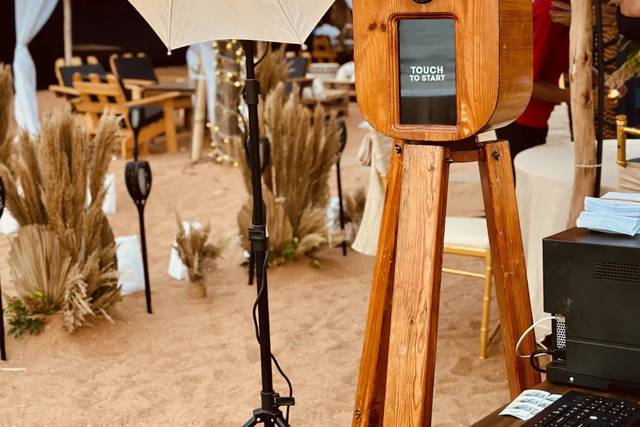
First impressions influence participation before any picture gets taken. Clear positioning helps guests understand the booth instantly. Good lighting creates an inviting focal point for arrivals. Simple props can spark playful choices without causing confusion. Most importantly, the setup should complement the venue’s character. A polished arrangement feels intentional rather than simply functional.
What Makes Guests Join In?
Participation rises when the booth feels effortless. Friendly guidance can remove uncertainty for hesitant guests. Music, props, or prompts can encourage spontaneous interactions. Useful touches include:
- Guests receive simple instructions without interruption.
- Props offer choices without creating clutter.
- Queues remain visible and easy to navigate.
- Sessions stay quick enough for wider participation.
A relaxed atmosphere often produces more expressive photographs.
Personal Touches Give Photos More Meaning
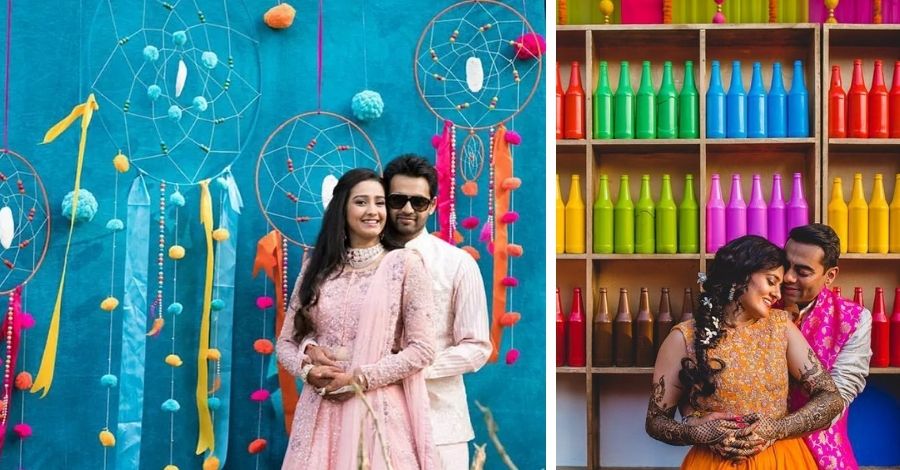
Personalization connects the booth with the occasion. Custom backdrops can reflect colors, themes, or branding. For Photo booth hire Sheffield, tailored overlays can also reinforce event identity. Names, dates, and playful graphics add context without overwhelming images. Even prop selections can reflect the host’s personality. Those details help photographs feel specific to one occasion.
Can Interaction Outshine The Camera?
A memorable booth creates stories before printing. Friends might challenge each other to recreate poses. Colleagues can improvise around themed accessories or prompts. Children often respond to movement, colour, and playful direction. Adults may value unexpected moments between formal photographs. The camera records those interactions, but the interaction creates them.
Smart Features Keep The Energy Moving
Technology works best when it supports social activity. Instant sharing can extend participation beyond the venue. GIFs or short videos can add variety to static prints. Digital galleries also give guests another reason to engage. Useful features can include:
- Guests share images during the event.
- Short clips capture energetic group moments.
- Digital galleries preserve the complete collection.
- Prints provide tangible keepsakes for guests.
Fast delivery keeps enthusiasm connected to each moment.
The Best Memories Start Before Printing
A photograph captures a second, while experiences shape its meaning. When guests laugh over a prop choice, that moment becomes part of the image’s story. The finished print then carries more than faces and poses. It carries the atmosphere surrounding them. That makes the booth a social feature, not merely equipment.
FAQs
What makes a booth memorable?
Guest interaction, personalization, easy participation, and engaging features create stronger memories.
Do props really affect the experience?
Yes. Well-chosen props encourage creativity without slowing queues or creating clutter.
Should a booth match the venue?
A coordinated setup feels more intentional and strengthens the event’s visual identity.
Are digital features worth adding?
Sharing, GIFs, and galleries extend engagement while giving guests more ways to participate.