
Hair thinning can have several causes that differ from person to person. Peptides receive attention because researchers are examining their possible role in follicle activity and hair growth. However, evidence remains limited, and results vary across studies. Understanding these gaps helps set realistic expectations, making Plastic Surgery Key – best peptides for hair growth a useful source for learning about these options today.
Research Evidence Remains Limited
Current research on peptides is still developing and does not establish reliable results for every type of hair loss. Some studies focus on laboratory findings while others examine small groups over short periods. These differences make direct comparison difficult and leave important questions about lasting outcomes unanswered. Careful interpretation is needed because early findings cannot confirm consistent results for everyone.
Research Should Guide Expectations
People seeking information should separate promising findings from proven results. General reading from Plastic Surgery Key – best peptides for hair growth can offer useful background, yet independent evidence deserves attention.
- Study findings may differ because research methods are not identical.
- Small participant groups can limit how broadly results apply.
- Short follow-up periods may miss longer-term changes.
- Laboratory results cannot always predict outcomes among people consistently.
- Individual factors can influence how hair growth patterns change.
A balanced view helps prevent strong claims replacing reliable evidence. Future studies with larger groups may clarify unanswered research questions.
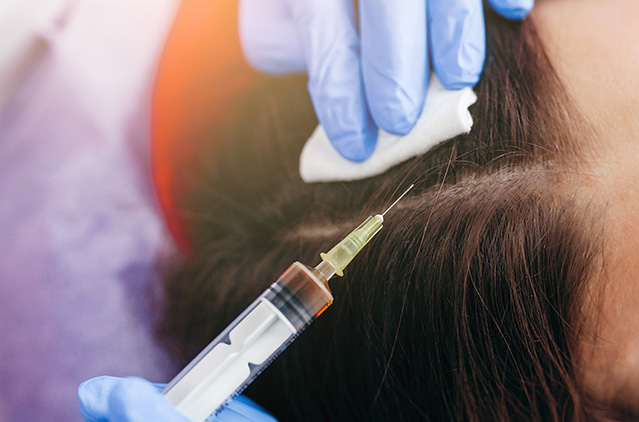
Study Quality Shapes Findings
Research quality strongly affects how useful reported peptides may be. Small samples can produce findings that do not represent broader groups. Different methods, observation periods, and measures can also lead to conflicting conclusions. Useful evidence should come from well-planned studies with clear measures and follow-up.
Safety Questions Need More Evidence
Potential safety concerns also require careful review when research remains incomplete. Short observation periods may not reveal effects that develop after longer use. Researchers need clearer information about suitable amounts, delivery methods, and possible reactions. Guidance can help assess whether evidence is relevant to a specific situation.
Research on peptide-based solutions still has important limits today. Available findings may suggest possible biological effects but cannot guarantee consistent hair growth outcomes. Better studies can improve understanding of safety, timing, and individual response over time. Until stronger evidence develops, expectations and qualified advice remain important when evaluating claims surrounding these emerging options.
FAQs
Can peptides reliably restore hair growth for everyone today?
No, current evidence does not support reliable results for everyone.
Why do research findings differ between studies so often?
Different samples, methods, and follow-up periods can change outcomes.
What should people consider before evaluating these options carefully?
Review evidence quality, safety information, and individual circumstances carefully.
