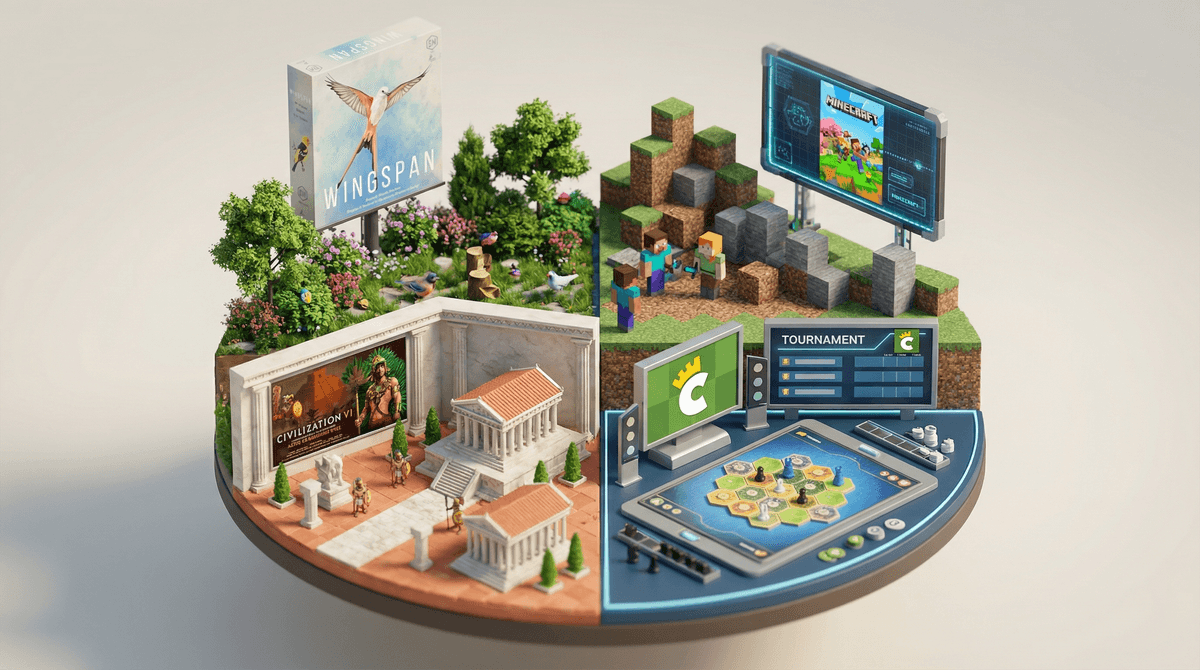
Good thinking skills grow when people face challenges that require careful choices. Activities built around planning teach players to study clues and consider possible results before acting. They also create chances to learn from mistakes without feeling discouraged. The trivia for kids can support learning by encouraging curiosity through short questions and useful facts. Simple rules make these activities suitable for different age groups. With regular practice, participants can improve attention and develop better ways to solve everyday problems.
Understanding Rules Before Making Choices
Clear rules help players understand what actions are allowed. Learning these details first reduces mistakes and supports better planning during each round.
Planning Moves Ahead of Time
Thinking several steps ahead helps participants prepare for possible changes. This habit encourages patience while making each choice more useful.
Learning Through Mistakes and Feedback
Mistakes can reveal gaps in understanding. Reviewing unsuccessful choices helps players adjust their approach and make stronger decisions next time.
Managing Limited Resources with Care
Some activities provide limited time or points. Using these resources wisely teaches participants to focus on important tasks before minor details.
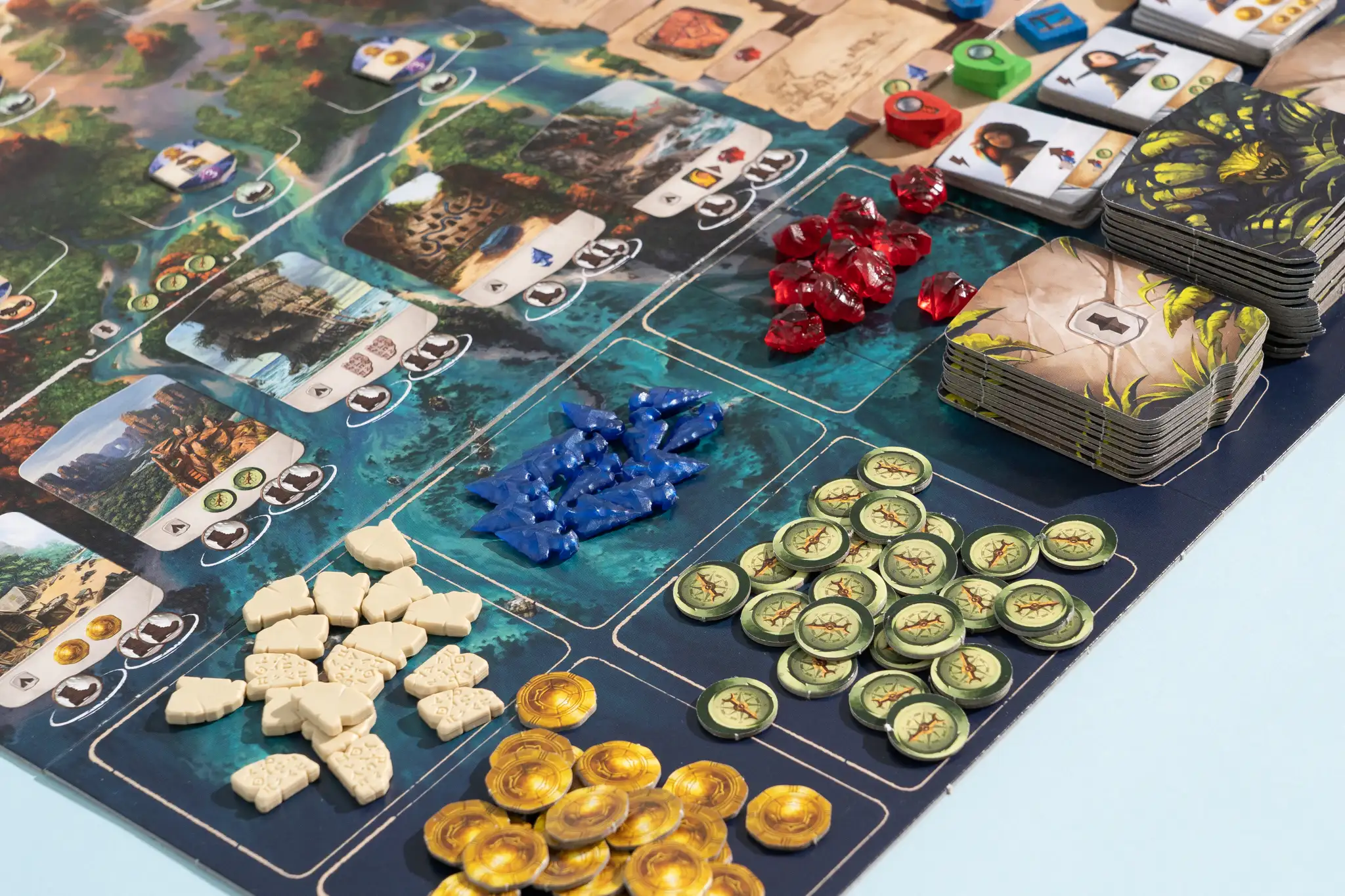
Building Patience During Difficult Rounds
Challenging stages may require several attempts. Staying calm allows players to review available options rather than act without proper thought.
Choosing Tasks That Match Skill Levels
Suitable challenges keep participation enjoyable while supporting steady progress. Beginners benefit from simple rules before moving toward more complex tasks.
Using Clues to Solve Problems Efficiently
Helpful clues can guide players toward sensible answers. Reading each detail carefully reduces confusion and makes the next step easier.
Encouraging Teamwork Through Shared Goals
Group activities allow participants to discuss ideas and compare possible solutions. Listening to different views can uncover options that one person might miss.
Strengthening Memory with Regular Practice
Repeated activities help participants remember rules and recognize familiar patterns. Short sessions can support learning without creating unnecessary pressure.
Applying Logic to Everyday Situations
Logical thinking can help people organize tasks and solve common problems. Activities that include trivia for kids also encourage learners to recall facts before selecting an answer.
Thoughtful activities help people build practical reasoning skills through repeated challenges. Clear rules provide direction while careful planning reduces avoidable errors. Reviewing outcomes also shows which methods work best. Start with manageable tasks and gradually introduce harder challenges. This approach supports steady improvement while keeping participation enjoyable. Over time, learners can use these habits to assess options and make more informed choices in daily situations.
FAQs
What skills can strategy activities improve?
They can strengthen logical thinking, attention, patience, memory, planning skills, problem-solving abilities and confidence when facing unfamiliar challenges.
How often should children practice these activities?
Short sessions several times each week can encourage steady learning while allowing enough time for schoolwork, rest and other interests.
